



How Long Does a Standby Generator Last in Charlotte? What Parks Checks

When our Parks team evaluates a standby generator at a Charlotte-area home, age is only the starting point. The hour meter shows how much the engine has run, while the fault history and service records show how it has behaved over time. We also need to know whether the generator transfers power correctly and can support the home’s electrical demand. Its physical condition and the availability of replacement parts complete the picture. Together, those details tell us far more than a generic lifespan chart.
A standby generator also spends its entire service life outdoors. Charlotte summers expose it to heat and humidity, while storms bring heavy rain and windblown debris. Pollen can collect around the enclosure even during months when the unit is not called on to power the home. This environment matters just as much as the number on the hour meter.
A properly installed and maintained residential standby generator will often last approximately 15 to 20 years or longer. Some units remain dependable beyond 20 years. Heavy use and repeated overload can shorten that timeline, as can corrosion. A poor installation or missed maintenance may also make replacement necessary much sooner.
The short answer to “what is the life expectancy of a generator?” starts with the type of equipment and the specific model. Its operating history and maintenance then shape how long it remains serviceable. A portable generator is not comparable to an air-cooled residential standby unit, and neither should be measured against a liquid-cooled system or commercial diesel equipment. There is no single year or hour range that represents all of those systems accurately.
How Long Does a Residential Standby Generator Last?
For most Charlotte homeowners, 15 to 20 years or longer is a realistic planning range when the residential standby generator was sized for the home and professionally installed. Following the manufacturer’s maintenance schedule also matters. Generac similarly notes that a well-maintained home standby generator can last 20 years or more. The company explains that actual service life still depends on how the unit is used, the conditions around it, and the maintenance it receives.
A portable generator is a different type of machine, so it should not be assigned the same lifespan. Engine quality sets the starting point. Storage and fuel condition influence what happens while it sits, while the electrical load and maintenance affect it during use. Parks does not use one lifespan number for every generator category.
Why Operating Hours Do Not Tell the Whole Story
The correct service intervals and operating-hour expectations come from the manufacturer and model-specific owner’s manual. Parks does not use one universal hour limit to decide that a generator has reached the end of its life.
It is also important not to confuse a warranty limit with an expected failure point. For example, Cummins lists a five-year or 2,000-hour limited warranty for certain residential standby models. That is a warranty coverage limit, not a statement that the generator will fail when the hour meter reaches 2,000.
Two generators of the same age can be in very different condition. A unit that has run through several extended outages may have accumulated substantially more wear than one with only routine exercise cycles. The way each system was installed and loaded helps explain that difference. So do its maintenance history, previous repairs, and any corrosion that has developed. The hour meter cannot tell that story by itself.
How Charlotte Weather Can Affect Generator Lifespan
The Charlotte region regularly experiences the conditions that put outdoor standby equipment to the test. The National Weather Service office serving the western Carolinas reports roughly 40 to 50 thunderstorm days per year across the area. Each condition affects the equipment in a different way:
- Heat and humidity: The battery can become stressed even when the engine is not running. Moisture can also encourage corrosion around terminals or wiring.
- Blocked airflow: Pollen and leaves can collect near the unit. Vegetation or storm debris may then obstruct the clear path needed for ventilation and exhaust.
- Heavy rain: Wind can carry debris toward the enclosure during a storm. Localized flooding creates an added moisture concern when a unit is improperly placed or already compromised.
- Insects and rodents: Insects may nest inside the enclosure. Rodents can damage wiring or block airflow.
- Extended outages: A long run can add operating hours quickly. The generator may need service before its usual calendar interval arrives.
Long idle periods create a different risk because trouble may remain hidden until the power goes out. The battery may have weakened or the charger may have failed. A fuel problem can remain hidden in the same way, and the scheduled exercise cycle may not have run as expected. This is why a generator that “has barely been used” still needs regular attention.
What Maintenance Does the Most to Extend Generator Life?
Professional generator maintenance should generally be scheduled at least once a year, or sooner when the model’s operating-hour schedule requires it. A long outage may also move the next service forward. As one manufacturer-specific example, Kohler recommends annual maintenance or service around every 200 operating hours for many residential standby systems, with more frequent attention after extended operation or in severe conditions. Your generator’s own manual is the final authority.
A professional maintenance visit follows the generator from the engine to the systems that connect it to the home:
- Engine service: The technician services the oil and filter when due. The air filter and spark plugs are also checked.
- Battery: The battery receives a separate evaluation because the generator must be able to start. That check includes the charger and terminals.
- Fuel system: The system is checked for proper condition and pressure. The technician also looks for any sign of a leak.
- Liquid cooling: Liquid-cooled equipment requires an evaluation of its coolant circuit. The belts and hoses are examined as part of that work.
- Electrical operation: Electrical connections and grounding are reviewed before the transfer switch is tested. The controls and fault history show what the unit has experienced between visits.
- Outdoor condition: The enclosure is checked for corrosion and signs of pest activity. The technician also checks whether vegetation or debris is restricting airflow.
- Functional testing: An exercise-cycle check and an appropriate load test confirm how the generator operates. The visit closes with the operating hours and completed service recorded for future reference.
What homeowners can watch for between visits
Between visits, the homeowner’s safest role is to keep the area around the generator open and pay attention to its normal behavior. Plants and stored objects should not crowd the enclosure, and fallen leaves should not be allowed to collect around it. The scheduled exercise cycle provides a regular opportunity to notice a visible alert or a unit that did not run as expected.
A visual check from outside the enclosure may reveal standing water or physical damage. It may also show corrosion or signs of pest activity. Any of those observations is a reason to call for service rather than open the equipment. After a long outage, recording the operating hours will help determine whether the manual calls for earlier maintenance. The annual professional visit still matters even when the generator never had to power the home.
Safety note: An automatic standby generator can start without warning. Do not open the enclosure, work on the transfer switch, or attempt electrical or fuel-system repairs yourself. These checks and repairs should be handled by a qualified generator service professional.
When Is Replacement Better Than Another Repair?
Age alone does not decide whether a generator should be replaced. The better question is whether it still performs the job the home requires. These signs can indicate that another repair may not be the best investment:
- It does not start or transfer: A generator cannot provide backup power if it fails to start. The same concern applies when it starts but does not transfer power to the home.
- It cannot carry the required load: The home’s electrical demand may have changed since the generator was installed. Repairing an undersized system will not correct that mismatch.
- The power is unstable: Unstable voltage or frequency deserves attention. New smoke or unusual vibration should also be investigated.
- Its operation has changed: A different sound can indicate that the equipment is no longer operating normally. Increasing oil or fuel consumption can point to internal wear.
- Leaks or corrosion keep advancing: Another repair may be less sensible once critical connections are affected.
- A major component has failed: A serious engine or alternator problem can make repair impractical. A controller or transfer-switch failure may have the same effect.
- Repairs keep recurring: Even a running generator can become a poor candidate for further investment. That is especially true when parts are obsolete or difficult to obtain.
Generator repair may still be the sensible choice when the problem is isolated and the rest of the equipment remains in sound condition. Available parts also make that decision easier. Generator replacement becomes the stronger long-term option when safety has been compromised or major failures continue to stack up. The same is true when the cost of repeated repairs no longer makes sense.
How Parks Evaluates Generator Condition
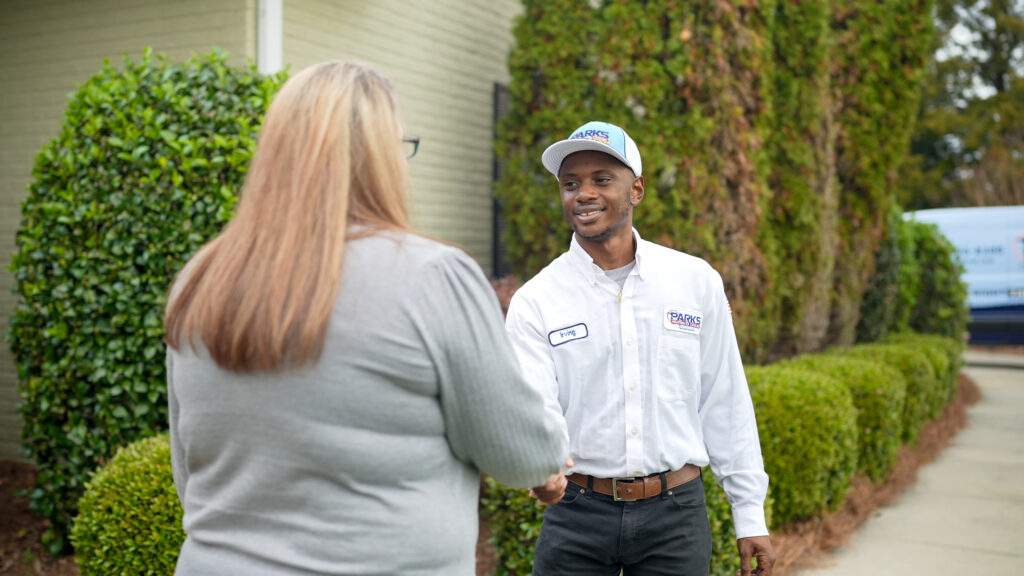
Our evaluation begins with a conversation about how the generator has been used. Recent outages and routine exercise cycles help explain the operating hours, while earlier service visits provide context for any recurring faults. We then compare the specific model with the electrical demand it is expected to support.
Testing shows whether the unit starts correctly and transfers power as expected. It also confirms whether the generator can carry the required load. A physical inspection reveals corrosion or leaks that may not appear in the control history. We consider whether replacement parts remain available and whether past repairs have produced a dependable result. With that context, we can recommend the appropriate next step. Sometimes that means routine maintenance. In other cases, repairing the failed component is justified. Replacement becomes the recommendation when the condition of the system no longer supports another repair. That is the practical difference between a local evaluation and a generic lifespan estimate.
Generator Lifespan FAQs
Is 2,000 hours the end of a generator’s life?
No. That number may appear in a manufacturer’s warranty for a particular model. It describes the limit of that coverage rather than a universal end to the generator’s service life. The owner’s manual and model-specific service guidance provide the correct basis for evaluating the unit.
Does a standby generator need annual maintenance if it was not used?
Yes. Weather exposure continues while the unit sits idle, and the battery can weaken during that time. Corrosion or pest activity may develop out of sight. A failed exercise cycle can also leave a problem undiscovered until the next outage. A professional annual visit creates an opportunity to find those issues sooner.
What should I do after a long power outage in Charlotte?
Start by recording how many hours the generator ran. Review any visible warning or alert without opening the enclosure. The model’s manual will show whether the added runtime has moved the service interval forward. A generator that ran for an extended period or displayed a fault should be professionally inspected before the next outage.
Schedule Generator Service in the Charlotte Area
Parks Heating Cooling Plumbing & Electrical has served the Charlotte area since 1973. If you are unsure how much usable life your generator has left, our team can inspect the complete system and give you a clear recommendation. Explore our standby generator services, schedule service online, or call 704-275-1017.
