A heat pump water heater is worth comparing when you replace an electric tank. For a gas system, compare efficient storage and tankless options. Your fuel price, hot-water demand, installation cost, and available space determine which choice makes sense.
Start with the system you have
Bring a photo of your current water heater's nameplate, a recent utility bill, and a description of when the household uses the most hot water to your replacement discussion. Ask for the proposed model number and a written installed price, including any electrical, venting, or drainage work.
Replacing an electric tank
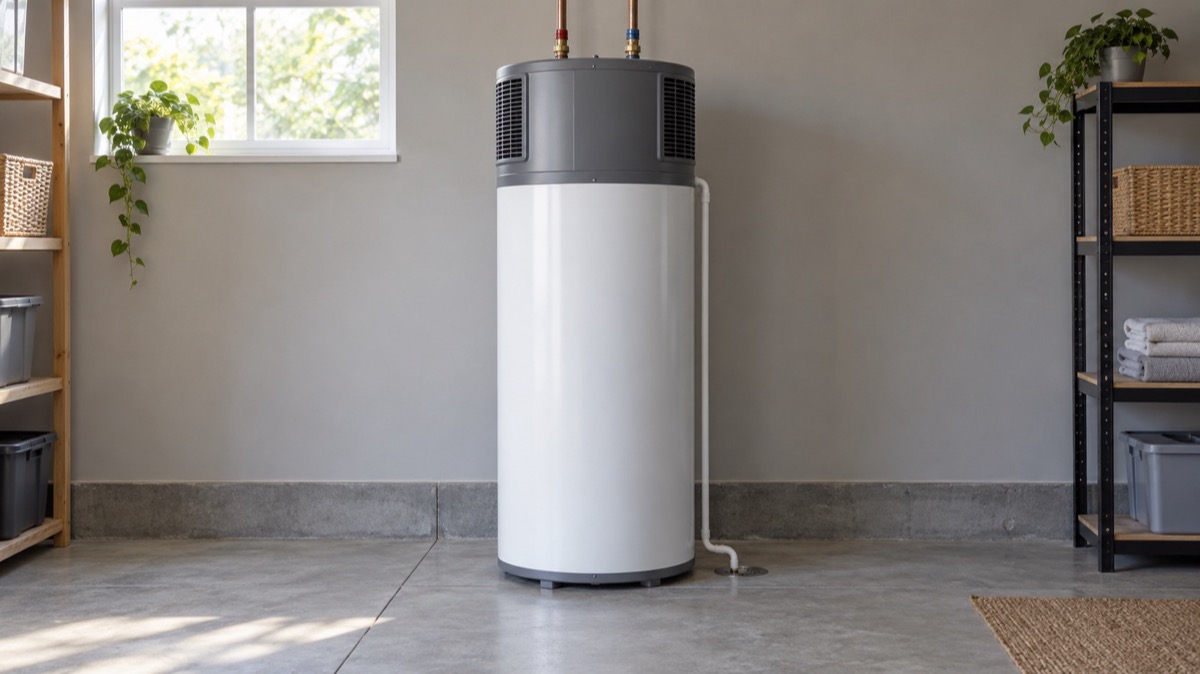
A heat pump water heater moves heat from the surrounding air into a storage tank. Many models also have electric resistance elements for periods of high demand. That backup uses more energy than heat-pump operation, so sizing and operating mode matter. ENERGY STAR explains how the two modes work.
Replacing a gas water heater
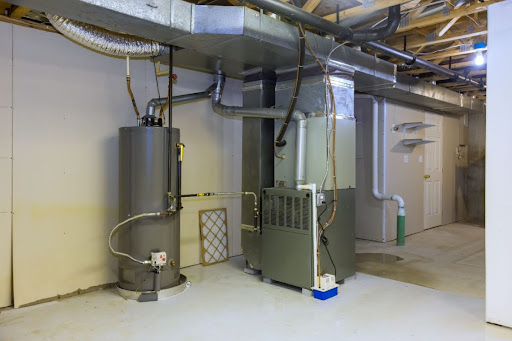
A high-efficiency gas storage heater still has a tank; improved insulation and combustion design can reduce energy use. A gas tankless heater heats water as it flows through the unit and avoids tank standby losses. Condensing models recover additional heat from exhaust gases. Ask the installer to assess the proposed model's venting and condensate needs.
See ENERGY STAR's guides to efficient gas storage and gas tankless operation. Parks' water-heater services and tankless services are separate options to discuss.
Compare costs using your own utility bill
The yellow EnergyGuide label is a useful comparison tool, but its annual operating cost is an estimate based on typical use and a national energy price. The FTC explains why your actual cost can differ. Compare similar-capacity models, then ask how your electricity or gas rate changes the estimate.
Ask for these details in writing
- The model, fuel type, tank capacity or hot-water delivery rating, and EnergyGuide label.
- The complete installation price, including changes to the circuit, vent, drain, or location.
- The household-use and utility-rate assumptions behind any savings estimate.
- Any rebate approval needed before purchase, and who will handle the application.
Use the energy-cost difference to compare options alongside the upfront price. A headline savings figure alone cannot tell you whether a particular replacement pays back for your household.
Check the installation space before choosing a heat pump
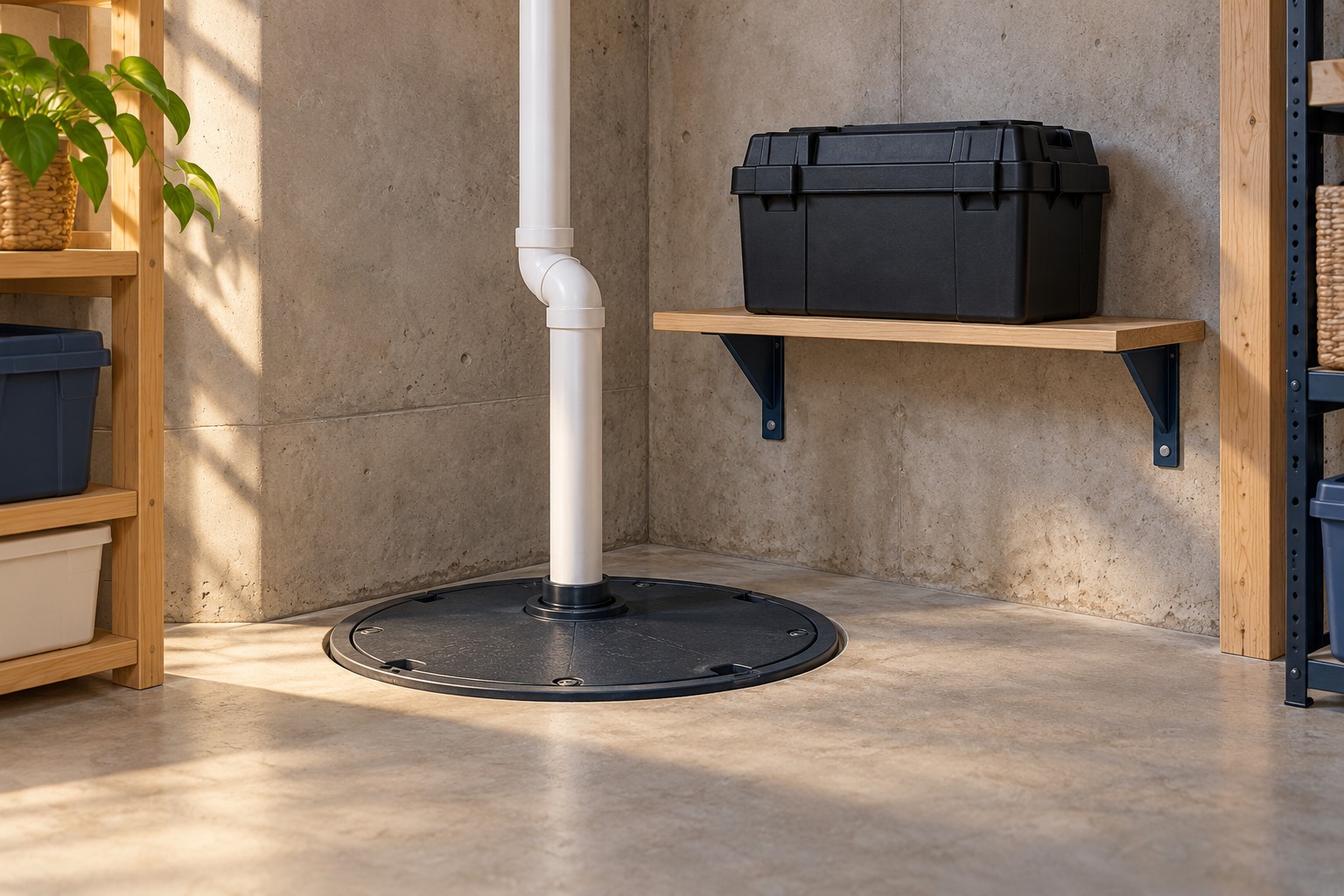
A heat pump water heater needs access to enough air, service clearance, and a condensate drain. ENERGY STAR's design guidance also calls out fan noise and cool exhaust air. Have the installer check a tight closet or a location beside a bedroom against the exact manufacturer's instructions.
Discuss the busiest hot-water period, such as back-to-back showers with laundry running. A tank sized for that demand can reduce reliance on resistance backup. Ask where condensate will drain and how the location will affect comfort in nearby rooms.
Check rebates for the address before buying
For North Carolina properties, Energy Saver North Carolina includes income-based rebates for qualifying heat pump water heaters. HEAR rebates require a registered contractor and are unavailable retroactively. Under the rules effective September 1, 2026, applications without a rebate reservation by that date cannot use HEAR to replace gas or other fossil-fuel appliances. Eligible electric-to-electric upgrades remain allowed. Confirm eligibility, reservation timing and any added project requirements with the program before buying.
Use the utility serving your address to check utility incentives. Fort Mill and other South Carolina homes need South Carolina program terms. Keep your approved rebate amount separate from estimated annual energy savings when comparing quotes.
Questions homeowners ask about efficient water heaters
Does a high-efficiency water heater always mean tankless?
No. Heat pump water heaters and efficient gas storage models have tanks. Tankless is one option; compare it with equipment that fits your existing fuel supply and hot-water use.
Can I rely on the annual cost printed on the EnergyGuide label?
Use it to compare similar models. Your actual cost depends on your household's use and local energy price, so bring a utility bill when discussing expected savings.
Can a heat pump water heater go in a small closet?
The installer must check the model's airflow, clearance, drainage, and electrical requirements. Some confined locations need a planned ventilation solution; the existing tank's footprint alone does not establish suitability.
Should I check North Carolina HEAR eligibility before installation?
Yes. North Carolina says HEAR rebates are unavailable retroactively and requires installation by a registered contractor. Confirm the current fuel-switching restrictions, your eligibility and required steps with the program before buying.
Compare a replacement with Parks
Ask Parks about water-heater installation for your home. If repair is still an option, start with water-heater repair. Check current coupons separately from utility incentives.
Call 704-275-1017 or request a free estimate for a water heater replacement in Charlotte or the surrounding areas.
Sources
Public guidance checked October 12, 2026.
- ENERGY STAR: heat pump water-heater operation
- ENERGY STAR: efficient gas storage water heaters
- ENERGY STAR: gas tankless water heaters
- FTC: using the EnergyGuide label
- ENERGY STAR: heat pump installation considerations
- NC DEQ: Energy Saver North Carolina eligibility and process
Homeowner education from Parks Heating Cooling Plumbing & Electrical
The Parks HVAC Editorial Team prepares homeowner guides from public technical sources and Parks' established service information.