




Why Does My Drain Smell Like Rotten Eggs?
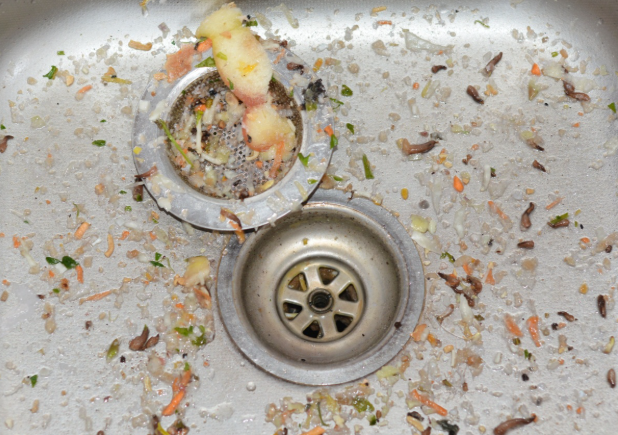
Few things are more frustrating than spending your Saturday morning deep-cleaning your kitchen or bathroom, only to be greeted by a persistent, nose-wrinkling stench the moment you step back into the room. You’ve scrubbed the tiles, wiped down the counters, and emptied the trash, yet that unmistakable scent of “rotten eggs” lingers in the air. It’s a smell that feels both dirty and alarming.
If you are currently dealing with this sulfurous odor wafting up from your sink, shower, or floor drain, take a deep breath (preferably in another room). While the smell is certainly unpleasant and can be quite jarring, it is a very common plumbing symptom. In the world of professional plumbing, your drains are constantly “talking” to you; a rotten egg smell is simply your drainage or sewer system’s way of signaling that something underneath the surface needs attention. From minor maintenance issues to more complex structural concerns, identifying the culprit is the first step toward restoring the fresh, clean atmosphere of your home.
The Dried-Out P-Trap: A Simple Fix for a Big Stink
The most common reason for a sudden sulfur smell is also the easiest to fix. If you look under any sink in your home, you will see a U-shaped pipe known as the P-trap. This clever piece of engineering serves a vital purpose: it is designed to hold a small amount of “trap water” at all times. This water acts as a physical seal, blocking sewer gases, which naturally smell like sulfur and methane, from traveling up the pipes and into your living space.
However, if a guest bathroom or a basement utility sink goes unused for an extended period, the water in the U-bend can eventually evaporate. Once the water barrier is gone, there is nothing to stop those “rotten egg” gases from venting directly into your home.
Before you panic, try running the water in the smelly drain for about 60 seconds. This refills the P-trap and recreates the seal. If the smell dissipates after an hour or so, you’ve likely solved the mystery!
Bacteria and Biofilm Build-Up: The Hidden Slime
If the smell is coming from a drain you use every day, evaporation isn’t the problem. Instead, the culprit might be biofilm. Over time, hair, soap scum, skin cells, and shaving cream accumulate along the walls of your pipes. This creates a sticky, slimy film that serves as a five-star resort for sulfur-reducing bacteria.
As these bacteria feast on the organic matter caught in your drain, they release hydrogen sulfide gas as a byproduct. Because this gas is heavier than air, it sits in the pipe until you turn on the faucet. The rushing water then pushes the gas upward, hitting you with a puff of “rotten egg” scent just as you start to wash your hands or face. This is particularly common in shower drains, where hair and conditioner build up into a thick, stubborn sludge.
Clogged Vent Stacks: When Your House Can’t “Breathe”
Most homeowners don’t realize that their plumbing system includes pipes that don’t carry any water at all. These are called vent stacks, and they usually exit through your roof. Their job is to relieve pressure and allow sewer gases to escape safely from the house into the open air.
If a bird builds a nest in your vent stack, or if leaves and debris clog the opening, those gases have nowhere to go. The pressure builds up until the gases are forced through the water in your P-traps (often accompanied by a “glugging” or bubbling sound). If you notice a smell along with slow drains or gurgling noises when you flush the toilet, your home’s “breathing” system is likely blocked and needs professional clearing.
Water Heater Anode Rod Issues: The Hot Water Clue
Sometimes, the rotten egg smell is selective. If you notice the odor only when you run hot water, the problem isn’t in your drains; it’s in your water heater.
Inside your water heater tank is a component called an anode rod. This rod is designed to sacrifice itself; it corrodes so that the metal walls of your tank don’t have to. However, certain types of anode rods (usually made of magnesium) can react with sulfates in the water, especially if your water has a high mineral content. This chemical reaction produces hydrogen sulfide gas.
If this is the case, the gas is trapped in the hot water itself and is released into the air as soon as the water hits the sink. A professional plumber from Parks can typically resolve this by replacing the magnesium rod with an aluminum-zinc alloy rod, which doesn’t produce the same odorous reaction.
Sewer Line Damage: The Serious Sign
While many drain odors are localized, a persistent, heavy rotten egg smell that seems to permeate the entire house, or is strongest in the crawlspace or yard, could indicate sewer line damage.
If your main sewer line is cracked, collapsed, or infiltrated by tree roots, raw sewage can escape into the soil or back up into your pipes. This is more than just a nuisance; it’s a health concern and a potential property risk. Signs that the issue is the main line include multiple drains backing up at once, lush green patches in your lawn despite dry weather, or an odor that persists regardless of how much you clean your drains. In these cases, a professional camera inspection is essential to locate the break and determine the best path for repair.
Your Neighbors at Parks are Ready to Help
At Parks Heating, Cooling, Plumbing & Electrical, we understand that a smelly home is an uncomfortable home. For decades, we’ve been serving the Charlotte community with a “neighbor-first” philosophy. What does that mean for you? It means we treat your home with the same respect we’d treat our own.
With five decades of experience under our belts, we’ve seen it all and smelled it all. Our licensed plumbers have the tools and the expertise to quickly diagnose whether your “rotten egg” mystery is a simple biofilm issue or a complex sewer line repair. We pride ourselves on being quick, reliable, and, above all, transparent with our neighbors. We don’t just want to fix the pipe; we want to give you back your peace of mind.
Don’t let a foul odor take over your home. If you’re tired of holding your breath every time you walk into the kitchen, contact Parks Heating, Cooling, Plumbing & Electrical today. We’ll schedule a professional drain and plumbing inspection for your Charlotte-area home and restore the freshness you deserve!

Parks Makes it Easy When you Need To Finance!
Contact Us Today
"*" indicates required fields

Become a Parks Comfort Club Member Today!
Sign Up for the Parks Comford Club Plan & Receive Guaranteed Service Day or Night.
- Biannual high-performance system checks for HVAC
- Complimentary plumbing video inspection
- Lowered energy usage & lower monthly bills
- Unparalleled protection & peace of mind
- Member-exclusive service discounts & perks