

Top Energy-Efficient HVAC Systems for 2026
If you live in the Charlotte area, you’ve probably noticed two things over the last few years. First, energy bills are not getting any cheaper. Second, our weather has become harder to predict. One week you’re enjoying mild spring temperatures, and the next you’re reaching for the thermostat because the humidity feels like mid-July. Winters can be just as unpredictable, with chilly mornings followed by afternoons that warm up quickly.
That is why more homeowners are already planning for 2026 and exploring energy-efficient HVAC options that deliver better performance, lower energy use, and year-round comfort. Today’s high-efficiency systems are designed to do more than heat and cool your home. They reduce wasted energy, improve indoor air quality, and help you avoid the constant cycle of repairs and high bills. In other words, energy efficiency is not just a trend. It is a smart investment in comfort, reliability, and long-term savings.
At Parks Heating Cooling Plumbing & Electrical, we help Charlotte homeowners make confident decisions about their home comfort systems. If you’re considering an upgrade, here are the top energy-efficient HVAC systems and features to watch for in 2026.
Why Energy Efficiency Matters More Than Ever in 2026
Energy efficiency has always been important, but in 2026 it will matter even more. As energy costs continue to rise, an outdated HVAC system can quietly become one of the biggest drains on your budget. Older units often run longer than necessary, struggle to maintain consistent temperatures, and waste energy through inefficient cycling.
Efficiency also impacts comfort. A high-efficiency HVAC system can cool your home more evenly, better control humidity, and avoid the hot-and-cold temperature swings many Charlotte homeowners experience.
There is also the reality of environmental responsibility. More homeowners want to reduce their household energy use, and newer HVAC technology makes that easier without requiring major lifestyle changes.
Most importantly, upgrading to a more efficient system often means fewer repairs. A system designed to operate more intelligently is less likely to be overworked, reducing wear and tear over time.
Key Features to Look for in High-Efficiency HVAC Systems
Not all HVAC systems are created equal. If you’re shopping for an upgrade in 2026, understanding the features that impact energy efficiency can help you make the best decision for your home.
SEER2 Ratings
SEER2 stands for Seasonal Energy Efficiency Ratio 2, and it measures how efficiently an air conditioner or heat pump cools your home. The higher the SEER2 rating, the more energy-efficient the system is.
In general, higher SEER2 systems cost more upfront, but they often deliver noticeable savings over time, especially in climates like Charlotte, where the cooling season lasts for months.
AFUE Ratings
AFUE stands for Annual Fuel Utilization Efficiency and applies to gas furnaces. It measures the percentage of fuel the furnace converts into usable heat.
For example, a furnace with a 95% AFUE rating converts 95% of its fuel into heat and loses only 5%. Older furnaces may operate at 70%-80%, resulting in significant energy waste.
Variable-Speed Technology
Variable-speed HVAC systems do not operate at one fixed speed. Instead, they adjust based on your home’s needs. This means they can operate at lower power for longer periods, improving comfort, reducing energy waste, and providing more consistent temperatures. Variable-speed systems are also typically quieter than traditional single-stage units.
Inverter Technology
Inverter-driven compressors are common in high-efficiency heat pumps and ductless mini-splits. Instead of turning fully on and fully off, inverter technology allows the system to ramp up or down gradually. This reduces energy spikes and improves overall system performance.
Smart Thermostats
Smart thermostats allow your HVAC system to run more efficiently by learning your habits and adjusting temperatures automatically. Many models also allow remote control through your phone, energy tracking, and scheduling features. For homeowners in Charlotte who travel or have busy schedules, this feature can significantly reduce monthly energy use.
Zoning Capabilities
Zoning systems allow different parts of your home to be heated or cooled separately. Instead of cooling every room equally, zoning directs airflow where it is needed most. This is especially useful in multi-story homes, where upstairs rooms heat up faster in summer.
Top Types of Energy-Efficient HVAC Systems for 2026
HVAC technology continues to improve, and 2026 will offer more options than ever. Here are some of the top energy-efficient system types homeowners should consider.
High-Efficiency Central Air Conditioning Systems
Modern central air conditioning systems are far more efficient than older models, especially those with high SEER2 ratings and variable-speed compressors. These systems are ideal for homeowners with existing ductwork who want a familiar, whole-home cooling solution. High-efficiency central AC systems can deliver better humidity control, quieter operation, and improved airflow compared to older units. For many Charlotte homes, upgrading central AC is one of the most straightforward ways to reduce energy costs.
Heat Pumps
Heat pumps are becoming one of the most popular energy-efficient HVAC choices in the Carolinas, and 2026 will likely see even more homeowners switching to them. Instead of generating heat like a furnace, a heat pump transfers heat. In the summer, it moves heat out of your home. In the winter, it pulls heat in from the outside air. This makes heat pumps incredibly efficient, especially in moderate climates like Charlotte. Newer heat pumps also perform better in colder temperatures than older models, making them a strong option for year-round comfort.
Ductless Mini-Split Systems
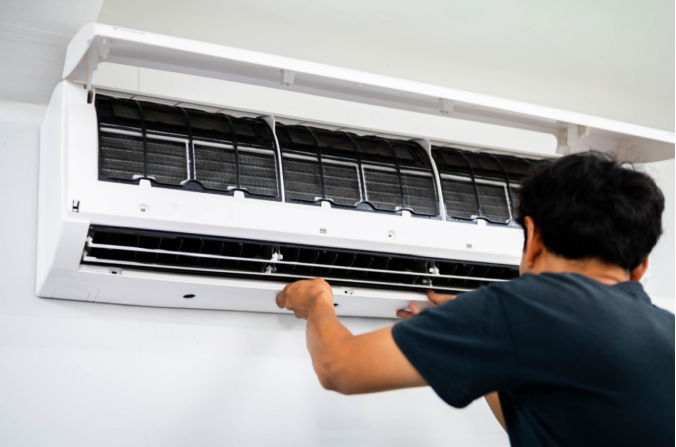
Ductless mini-splits are ideal for homes without ductwork or for homeowners who want better control over individual rooms. These systems use indoor air handlers connected to an outdoor unit, providing efficient heating and cooling without duct losses. They are also a great solution for:
- Finished garages
- Sunrooms
- Home additions
- Bonus rooms over garages
- Older homes with limited duct access
Ductless systems are known for their quiet operation, strong energy performance, and zoning-style comfort.
Geothermal HVAC Systems
Geothermal systems are among the most efficient HVAC options available. They use the earth’s temperature to heat and cool your home, providing extremely stable performance year-round.
While geothermal systems require a larger upfront investment, they can deliver long-term energy savings that often outperform those of many traditional systems. For homeowners planning to stay in their home long-term, geothermal can be a powerful investment.
How Proper Installation Impacts Efficiency and Performance
Even the most energy-efficient HVAC system can underperform if it is installed incorrectly. Proper installation is one of the biggest factors in whether your system delivers the comfort and savings it was designed to provide.
Incorrect sizing is a common problem. A system that is too large may cycle on and off too frequently, wasting energy and reducing humidity control. A system that is too small may run nonstop, driving up bills and wearing out parts faster.
Installation also involves proper ductwork design, airflow balancing, refrigerant charging, thermostat calibration, and electrical connections. When those details are overlooked, homeowners may experience higher energy costs, inconsistent temperatures, and more frequent repairs.
When It’s Time to Upgrade Your Current HVAC System
Not sure if your current HVAC system needs replacement? There are several clear signs that your system may be outdated or overpriced. You may want to consider an upgrade if:
- Your HVAC system is 12 to 15+ years old
- Your energy bills keep climbing, even with normal usage
- Your home has uneven temperatures from room to room
- Your system needs frequent repairs
- Your AC struggles to keep up during peak summer heat
- Your unit runs loudly or constantly cycles on and off
- Your indoor air feels stale, dusty, or overly humid
- Your furnace or AC uses outdated technology and efficiency ratings
Replacing your system before a major breakdown can also help you avoid emergency replacement decisions, which often come with stress and limited options. Upgrading can deliver major benefits, including:
- Lower monthly utility bills
- Better temperature control throughout the home
- Quieter operation
- Improved humidity control
- Cleaner indoor air
- Fewer repair calls
- Increased home comfort year-round
Choose the Right HVAC System With Help From Parks
Choosing an energy-efficient HVAC system is not a one-size-fits-all decision. The best option depends on your home’s size, insulation, ductwork, comfort needs, and budget. That is why professional guidance matters.
At Parks Heating Cooling Plumbing & Electrical, we have been helping homeowners since 1973. As a family-owned company, we believe in treating our customers like true neighbors. We take time to answer questions, explain options clearly, and recommend systems that make sense for your home, not just what’s popular.
If you are planning ahead for 2026 and want to explore energy-efficient HVAC upgrades, we are here to help. Call Parks Heating Cooling Plumbing & Electrical today at 704-596-8200 to schedule your HVAC evaluation and get expert recommendations for the best energy-efficient HVAC system for your home.

Parks Makes it Easy When you Need To Finance!
Contact Us Today
"*" indicates required fields
Become a Parks Comfort Club Member Today!
Sign Up for the Parks Comford Club Plan & Receive Guaranteed Service Day or Night.
- Biannual high-performance system checks for HVAC
- Complimentary plumbing video inspection
- Lowered energy usage & lower monthly bills
- Unparalleled protection & peace of mind
- Member-exclusive service discounts & perks