



Should You Close HVAC Vents in Unused Rooms?
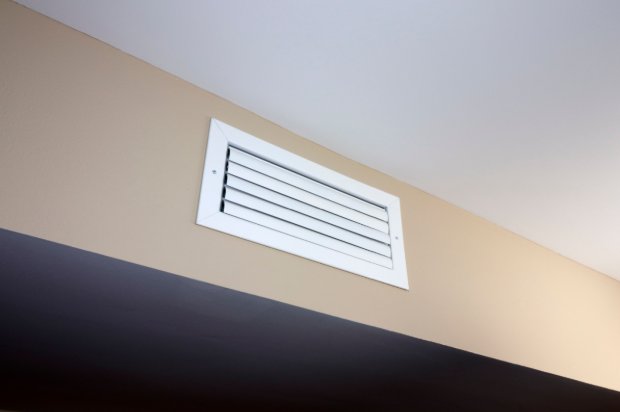
If you’re trying to save money on your energy bills, you may have heard that closing vents in unused rooms can help. But does it actually work?
It’s a common tip shared among neighbors, in online forums, and even recommended by well-meaning friends. The idea sounds logical. If you’re not using a guest bedroom or bonus room, why heat or cool it? Close the vent, redirect the air, and lower your energy bill. Simple, right?
Not exactly.
At Parks Heating Cooling Plumbing & Electrical, we hear this question often from Charlotte-area homeowners who want to make smart, cost-effective decisions. While closing vents may seem like a quick fix, HVAC systems are designed to operate in a very specific way. Small changes can sometimes create bigger issues than you expect.
Why Homeowners Think Closing Vents Saves Money
The rationale for closing vents is straightforward. If less air flows into unused rooms, the system won’t have to work as hard. That should mean less energy use and lower utility bills.
It’s similar to turning off lights in empty rooms. Why waste electricity where you don’t need it?
In theory, it sounds efficient. In practice, HVAC systems do not work like light switches. They are carefully sized and balanced to heat and cool your entire home based on its square footage, insulation, duct layout, and airflow design.
When you close vents, you are not shrinking the size of your HVAC system. You are simply changing the airflow pattern within a system designed to operate with all vents open.
What Really Happens When You Close Air Vents
When you close a vent in an unused room, you restrict airflow. The air that would have entered that room now increases pressure within the duct system.
Some homeowners assume that extra air will simply redirect to other rooms. While some redistribution may occur, it does not always happen evenly or efficiently. Instead, your system may experience:
- Increased internal air pressure
- Reduced airflow across the evaporator coil
- Changes in temperature balance throughout the house
- Longer run times to reach thermostat settings
In some cases, you may even notice that certain rooms become warmer or cooler than before. That is because airflow patterns inside the home have shifted.
Potential Risks of Closing Vents
While closing one vent occasionally may not cause immediate damage, consistently closing several vents can create real problems over time.
Pressure Buildup in Ductwork
When airflow is restricted, pressure increases inside the ducts. If your ductwork has small gaps or weak joints, that extra pressure can force air out through leaks. Instead of saving energy, you may be pushing conditioned air into your attic or crawl space.
Frozen Evaporator Coils
Reduced airflow across your air conditioner’s evaporator coil can cause it to become too cold. When this occurs, condensation can freeze on the coil, reducing cooling performance and potentially causing a system shutdown.
Reduced Efficiency
HVAC systems rely on steady airflow to operate efficiently. When airflow is restricted, the system may run longer to achieve the desired temperature. Longer run times can increase energy use rather than reduce it.
Increased Wear and Tear
Extra pressure and extended run times place added stress on components such as the blower motor and compressor. Over time, this can shorten the lifespan of your equipment and increase repair costs.
Higher Energy Bills
Ironically, closing vents in unused rooms can sometimes lead to higher energy bills. If your system struggles to maintain balance, it may consume more electricity or fuel to compensate.
Better Ways to Improve HVAC Efficiency in Your Home
If your goal is lower energy bills and improved comfort, there are smarter, safer ways to achieve them.
Schedule Regular Maintenance
Routine HVAC tune-ups help your system run at peak efficiency. Clean filters, proper refrigerant levels, and well-adjusted components make a noticeable difference in performance.
Change Air Filters Regularly
Dirty filters restrict airflow, forcing your system to work harder. Replacing filters every one to three months is a simple and effective step.
Improve Insulation
Proper insulation keeps heated or cooled air inside your home longer, reducing the workload on your HVAC system.
Upgrade to High-Efficiency Equipment
If your system is older, upgrading to a modern high-efficiency unit may provide significant long-term savings. Today’s systems offer improved airflow management, variable-speed technology, and better humidity control.
These solutions address the root causes of inefficiency instead of creating new problems.
When Zoning Systems or Smart Thermostats Make More Sense
If you consistently have rooms that are rarely used, there are better options than manually closing vents.
Zoning Systems
A zoning system uses dampers within the ductwork, controlled by separate thermostats in different areas of your home. This allows you to adjust temperatures in specific zones without disrupting overall airflow balance.
Smart Thermostats
Smart thermostats can adjust temperature settings based on your schedule. If you are away during the day or sleeping at night, your system can automatically reduce heating or cooling output.
Both zoning and smart thermostats provide controlled, engineered solutions rather than ad hoc adjustments.
Talk to a Professional Before Making Airflow Changes
If you are dealing with uneven temperatures, high energy bills, or comfort issues in certain rooms, the best step is to have a professional evaluate your system. There may be underlying causes, such as duct leaks, insulation gaps, improper system sizing, or airflow imbalances, that require attention.
At Parks Heating Cooling Plumbing & Electrical, we have been serving homeowners throughout the Charlotte area since 1973. As a family-owned company, we believe in treating customers like true neighbors. That means providing honest answers, practical recommendations, and solutions designed to improve comfort and efficiency.
If you have questions about closing vents, uneven temperatures, or rising energy bills, contact Parks Heating Cooling Plumbing & Electrical today at 704-596-8200. Let us help you make informed decisions that protect your comfort, your system, and your budget.

Parks Makes it Easy When you Need To Finance!
Contact Us Today
"*" indicates required fields
Become a Parks Comfort Club Member Today!
Sign Up for the Parks Comford Club Plan & Receive Guaranteed Service Day or Night.
- Biannual high-performance system checks for HVAC
- Complimentary plumbing video inspection
- Lowered energy usage & lower monthly bills
- Unparalleled protection & peace of mind
- Member-exclusive service discounts & perks