


6 Winter Electrical Safety Tips
Winter places extra demands on your home’s electrical system. As temperatures drop, families rely more heavily on heat, lighting, and powered equipment to stay comfortable. Space heaters, furnaces, heat pumps, and holiday decorations all increase electricity usage, which can strain wiring and create safety risks if systems are not properly maintained. Understanding winter electrical safety tips can help protect your home, your family, and your budget during the coldest months of the year.
Electrical safety is not only about avoiding outages. It also affects heating performance, indoor air quality, and overall home comfort. The following guidance highlights common winter risks and practical steps homeowners can take to prevent issues before they escalate into costly repair calls.
Why Winter Increases Electrical Risks
Cold weather changes how homes use electricity. Heating systems run longer, lighting stays on earlier in the evening, and additional equipment, such as electric blankets or portable heaters, may be plugged in daily. This added demand increases wear and tear on wiring, outlets, and electrical panels.
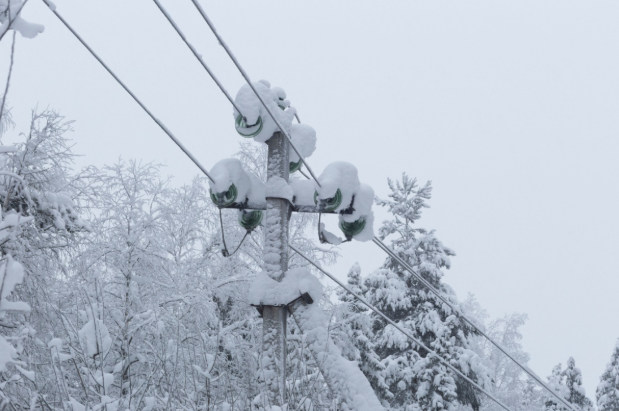
Moisture also becomes a factor. Snow, ice, and winter storms can affect outdoor electrical components, while humidity changes inside the home can impact outlets and connections. These conditions make seasonal inspection and maintenance especially important.
1. Inspect Heating Equipment and Electrical Connections
Heating systems rely on electricity even when they burn gas or oil. Furnaces, heat pumps, boilers, and air handlers all depend on electrical components to operate safely.
Schedule Professional Inspections
A licensed electrician or professional HVAC technician can inspect electrical connections tied to your heating system. Loose wiring, aging components, or overloaded circuits can reduce performance and increase safety risks. Inspections often include:
- Checking electrical panels for signs of wear
- Reviewing furnace and heat pump wiring
- Confirming proper thermostat operation
- Inspecting safety switches and controls
Routine inspections support energy efficiency and help prevent unexpected breakdowns during peak winter demand.
Pay Attention to Warning Signs
Flickering lights, burning odors near equipment, or frequent breaker trips should never be ignored. These signs often indicate electrical issues that require prompt repair by a qualified electrician.
2. Use Space Heaters and Supplemental Heat Safely
Portable heaters are common during winter, especially in older homes or drafty rooms. While they can provide comfort, they also increase the risk of electrical shock when used improperly.
Safe Heater Practices
When using space heaters:
- Plug heaters directly into wall outlets rather than extension cords
- Keep heaters away from water sources, curtains, and furniture
- Turn heaters off when leaving the room or going to sleep
Electricity demand increases rapidly when multiple heaters operate simultaneously. If certain rooms struggle to stay warm, a heating service evaluation may be a better long-term solution.
Consider System Upgrades
If supplemental heat is frequently needed, it may signal that your heating system or insulation is no longer meeting your home’s needs. Options such as heat pump installation, furnace replacement, or zoning upgrades can improve comfort while managing energy use more effectively.
3. Protect Outlets, Wiring, and Extension Cords
Winter often brings additional electrical devices into use, from holiday lighting to extra electronics. These additions can overload circuits if outlets and switches are not in good condition.
Avoid Overloaded Circuits
Too many devices plugged into one outlet or power strip can cause overheating. Spread electrical usage across multiple outlets and circuits when possible. If the breakers trip frequently, an electrician can assess whether panel upgrades or additional circuits are needed.
Inspect Cords and Plugs
Check extension cords, appliance cords, and power strips for cracks or exposed wiring. Damaged cords should be replaced immediately. Outdoor cords used for seasonal lighting should be rated for exterior use and kept away from standing water.
4. Keep Electrical Systems Dry
Water and electricity do not mix, and winter weather increases the risk of moisture. Snow buildup, melting ice, and freezing rain can all affect outdoor electrical components.
Outdoor Electrical Safety
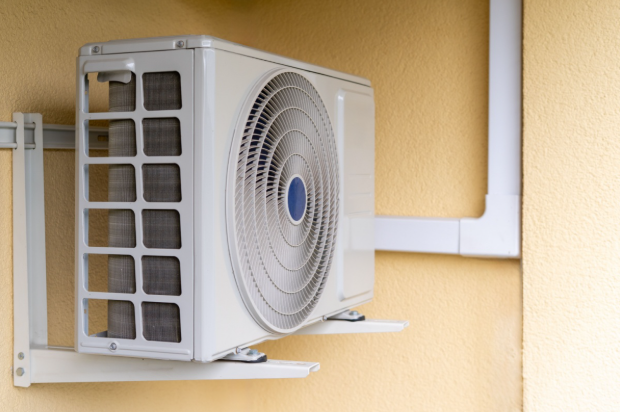
Clear snow and debris from around outdoor outlets, heat pump units, and electrical panels. Heat pump systems require proper airflow to operate efficiently, and blocked units can experience electrical strain.
GFCI outlets should be tested regularly, especially those serving outdoor areas, basements, and utility spaces where water may be present.
5. Manage Humidity and Indoor Air Quality
Humidity levels shift during winter as homes are sealed tighter against the cold. Dry air can increase static electricity, while excess moisture can affect electrical components and indoor air quality.
Balance Indoor Conditions
Using a humidifier can help manage dry air and reduce static shocks. Air purifiers and filtration systems also improve indoor air quality by reducing airborne particles that can circulate through HVAC ducts and equipment.
Proper airflow through ducts and vents supports consistent heating and helps electrical components within the HVAC system operate as intended.
6. Plan Ahead for Winter Storms and Power Outages
Winter storms can disrupt power supply and place added stress on electrical systems. Planning ahead helps protect equipment and supports safety during outages.
Surge Protection and Backup Power
Surge protection helps protect electronics, HVAC equipment, and appliances from power surges during electricity restoration after an outage. Whole-home surge protection is a valuable upgrade for homes with modern systems and sensitive equipment.
Backup power options, such as generators, should be installed and serviced by licensed professionals. Improper installation can create serious safety risks.
Know When to Call for Emergency Service
If power outages, sparking outlets, or electrical smells occur during winter weather, professional emergency service may be required. Delaying repair can increase risk to both the home and its occupants.
Schedule Winter Electrical Service With Parks Heating Cooling Plumbing & Electrical
Winter is the right time to take electrical safety seriously, especially as heating systems and electricity usage increase. Parks Heating Cooling Plumbing & Electrical provides professional electrical and heating services designed to support safety, comfort, and reliability throughout the cold season. If you have concerns about outlets, panels, heating equipment, or overall electrical performance, reach out to Parks Heating Cooling Plumbing & Electrical today at 704-596-8200.

Parks Makes it Easy When you Need To Finance!
Contact Us Today
"*" indicates required fields

Become a Parks Comfort Club Member Today!
Sign Up for the Parks Comford Club Plan & Receive Guaranteed Service Day or Night.
- Biannual high-performance system checks for HVAC
- Complimentary plumbing video inspection
- Lowered energy usage & lower monthly bills
- Unparalleled protection & peace of mind
- Member-exclusive service discounts & perks