Discover The Parks Way
We Do It Right The First Time
We are a local, family-owned company that provides top-notch heating, air conditioning, plumbing, and electrical services.
What We Do
We Specialize In These Areas Of Service
With our wide range of services, you don’t need to juggle multiple technicians.
Why Choose Anyone Else?
Discover The Parks Difference
Flexible Financing
Parks Makes It Easy When You Need To Finance!
Sign Up For The Parks Comfort Club Plan & Receive Guaranteed Service Day Or Night.
Maintenance Plans
Become A Parks Comfort Club Member Today!
- Biannual high-performance system checks for HVAC
- Complimentary plumbing video inspection
- Lowered energy usage & lower monthly bills
- Unparalleled protection & peace of mind
- Member-exclusive service discounts & perks
HVAC, Plumbing, Electrical Services
Trusted HVAC, Plumbing & Electrical In Charlotte, NC
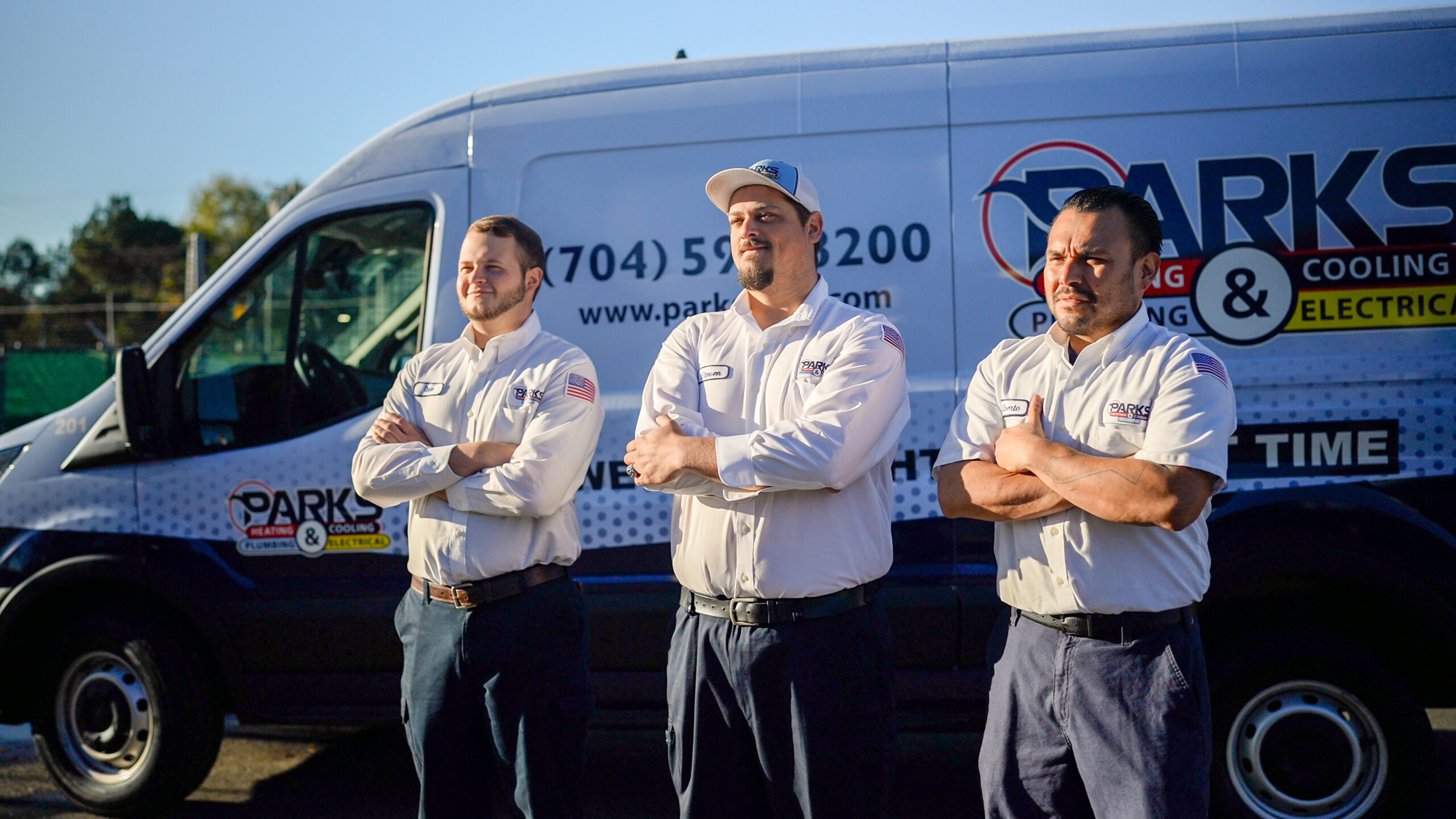
When it comes to home services in the Charlotte area, no team does it better than Parks Heating Cooling Plumbing & Electrical. We are a local, family-owned company that provides top-notch heating, air conditioning, plumbing, and electrical services. Our trusted professionals always value customer service, so you can have peace of mind when you work with us.
With our wide range of services, you don’t need to juggle multiple technicians. Our certified technicians are ready to tackle any problem with skill and honesty. We invite you to schedule an appointment with our electrical, HVAC, and plumbing company in Charlotte, NC, and see how easy it is to get reliable help for your home. For heating and cooling projects, you can also get an instant HVAC quote online before scheduling service. Call us today at 704-275-1017!
Heating & Air Conditioning
Keeping your home comfortable starts with a reliable HVAC system. At Parks, our heating and air conditioning technicians are highly trained and experienced in working with all brands of HVAC equipment. We can install, repair, maintain, and replace heating and cooling systems, including:
- Central air conditioners
- Gas, electric & oil furnaces
- Heat pumps
- Boilers
- Ductless mini-splits
- Geothermal systems
- And more
Air Conditioning You Can Count On
Charlotte summers don’t play around, and when the heat starts sticking to every surface, you want an air conditioning system that actually delivers. We provide fast, dependable cooling services designed to keep your home comfortable without interruptions. Our NATE-certified HVAC technicians work with all makes and models, handling everything from repairs to complete AC replacements. We also provide routine maintenance that keeps your system in peak condition, so you’re not sweating through a last-minute breakdown.
Families trust us because we explain every step clearly and never push unnecessary work. If you need a quick repair, we fix it. If it’s time for a new unit, we’ll walk you through options that fit your home and budget. That’s why homeowners across Charlotte call us their go-to HVAC company in Charlotte, NC, for air conditioning service.
Heating Solutions That Put Comfort First
Cold weather may not linger all year in Charlotte, but when it arrives, your heating system must be ready. We specialize in furnace repair, heating system installation, and preventative maintenance that protects your investment and keeps your home warm.
Heating and cooling services in Charlotte require more than just quick fixes. They require a plan that considers your comfort in the long term. That is why we recommend seasonal inspections to catch minor problems before they turn into costly repairs. Our family-focused approach means your home’s heating system is treated with the care it deserves. Every visit is handled with respect for your time, your property, and your comfort.
Indoor Air Quality Services
Many of us overlook indoor air quality until we notice health issues affecting our families. Poor air quality can lead to allergies, respiratory issues, and other health problems. At Parks, we offer comprehensive indoor air quality services to keep your home environment clean and safe. Our services include air purifiers, humidifiers, dehumidifiers, and duct cleaning designed to remove contaminants and regulate humidity levels.
Our team of HVAC experts will assess your home’s air quality and recommend the best solutions tailored to your needs. By improving your indoor air quality, you’ll breathe easier and enjoy a healthier living space. Trust Parks to provide the expertise and equipment necessary for a cleaner, fresher home.
Smart Thermostats
Smart thermostats are revolutionizing the way we manage our home’s heating and cooling systems. These advanced devices offer greater control, efficiency, and convenience compared to traditional thermostats. At Parks Heating Cooling Plumbing & Electrical, we provide expert installation and support for a variety of smart thermostat models, helping you optimize your home’s climate control.
We’ll guide you through the setup process and demonstrate how to use the various features to maximize your comfort and energy efficiency. As an experienced HVAC technician, you can trust us to get the job done right and according to your expectations. With our professional installation services, you can enjoy the full benefits of a smart thermostat without any hassle.
Plumbing Services
Our local plumbing experts have the skills and tools to tackle virtually any plumbing problem you’re facing. Whether you need a straightforward repair or a complete system replacement, you can count on our plumbers to provide an effective solution. Turn to us when you need:
- Water heater repairs & replacements
- Drain cleanings
- Sewer line repairs & replacements
- Kitchen & bathroom plumbing
- Pipe repairs & replacements
- Gas line installation
- Leak detection & repair
- And more
Emergency Plumbing That Keeps Homes Safe
Few things disrupt a household faster than a plumbing issue. A burst pipe, a leaking water heater, or a clogged drain can bring everything to a standstill. That’s where we step in. Our plumbing team provides emergency service to keep your home safe and your routine on track. We can tackle urgent issues like leaks, backflow problems, and water damage, as well as standard plumbing needs like tap replacements, toilet repairs, and drain cleaning.
As a trusted plumbing company in Charlotte, we’ve built a reputation for fast response times and dependable repairs. Families know we show up ready to work, explain the situation, and get things running again.
Electrical Services
Keep your home powered by working with the expert electricians at Parks! Our team understands the importance of electricity to your daily routine, so we work quickly and efficiently to solve all of your electrical problems. Our electrical services include:
- Electrical repairs & installations
- Lighting & ceiling fan installations
- Safety inspections
- Switch & outlet services
- Generator installations
- Whole-home surge protection
- And more
Electrical Upgrades That Prepare Your Home for the Future
Homes today use more electricity than ever, and outdated systems often struggle to keep up. At Parks, our licensed electricians are here to make sure your home is ready for the technology your family depends on. Our specialties include circuit breaker upgrades, whole-home electrical wiring, ceiling fan installation, and adding charging stations for electric vehicles. If you’re adding new lighting, updating your kitchen, or thinking about smart home automation, our team is ready to help.
As an experienced electrician in Charlotte, we focus on both safety and convenience. Our work is done by qualified electrical technicians who respect your home and your time. We also offer surge protection, smoke detector installations, and backup generator setups to keep your household powered in any situation.
Convenient Financing Options Available
We understand that home repairs and upgrades can be a significant investment. That’s why Parks offers flexible financing options to help you manage the cost of our services. Whether you need a new HVAC system, plumbing service, or electrical projects, our financing plans are designed to fit your budget.
Parks is proud to offer financing options through Synchrony, EnerBank, Service Finance, and Goodleap Financing! Our straightforward pricing and honest approach mean no hidden fees or surprises. We’ll work with you to find the best financing solution — so you can get the residential electrical services, plumbing upgrades, and HVAC installations you need without financial stress. Contact Parks today to learn more about our financing options and start improving your home in North Carolina!
Join the Parks Comfort Club
Becoming a member of our Parks Comfort Club comes with numerous benefits. This maintenance plan provides regular upkeep for your HVAC, plumbing, and electrical systems, making sure they run efficiently and effectively throughout the year. Routine maintenance can prevent costly repairs and extend the lifespan of your home systems.
As a Parks Comfort Club member, you’ll enjoy priority service, exclusive discounts, and peace of mind, knowing your home is in good hands. Our licensed electricians, plumbing experts, and HVAC technicians are always ready to provide top-notch service, keeping your home comfortable and safe. Join today and experience the best in home maintenance services.
Our Commitment to Quality Workmanship
At Parks, quality workmanship is at the heart of everything we do. As a reputable plumbing, electrical, and HVAC company in Charlotte, NC, we’re dedicated to delivering top-tier service with attention to detail and a focus on excellence. Whether we’re installing a new HVAC system, repairing a plumbing issue, or upgrading your electrical panels, ceiling fans, and wiring systems, you can trust us to provide high-quality results. We’re proud to be a locally-owned company that puts the needs of our customers first.
We use the best materials and equipment, guaranteeing long-lasting and reliable solutions for your home. Our commitment to quality workmanship means you can have confidence in the safety and performance of your home systems. Whether you need a quick fix for your heating system or are experiencing dangerous electrical issues that require the prompt assistance of a residential electrician, we’ve got you covered. From HVAC repairs to electrical upgrades, we deliver excellent customer service every time.
Ready to experience the Parks way? Give us a call at 704-275-1017 or contact us online to schedule heating, AC, plumbing, or electrical services in Charlotte, NC!
Where We Work
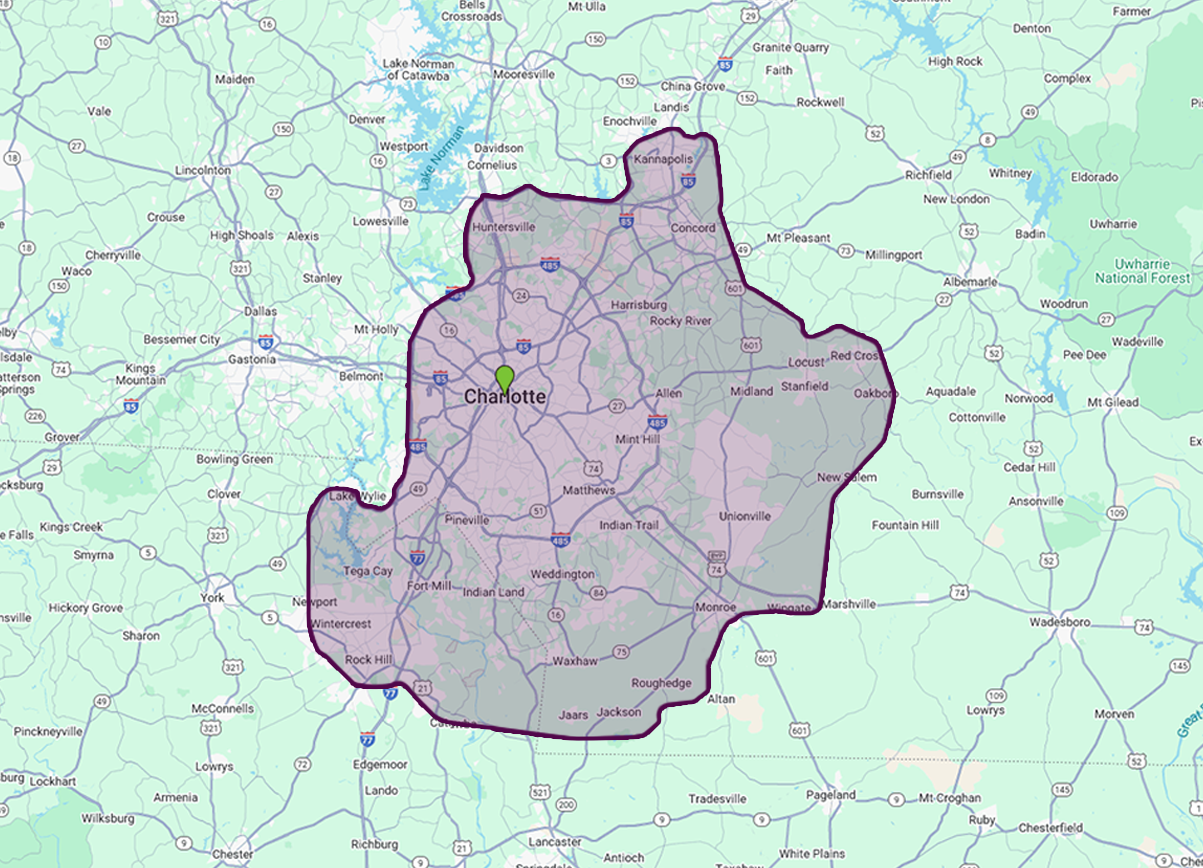
Parks Proudly Serves
The Charlotte Metro Area
- Albemarle
- Ballantyne
- Belmont
- Catawba
- Concord
- Cornelius
- Davidson
- Fort Mill
- Gastonia
- Harrisburg
- Huntersville
- Indian Land
- Indian Trail
- Kannapolis
- Lake Wylie
- Lancaster
- Locust
- Marvin
- Matthews
- McConnells
- Midland
- Mint Hill
- Monroe
- Mooresville
- Mount Holly
- Peachland
- Pineville
- Rock Hill
- SE Charlotte
- Stallings
- Stanly County
- Waxhaw
- Weddington
- Wingate
- York
Ready To Experience The Parks Way?
Give us a call at 704-275-1017 or contact us online to schedule heating, AC, plumbing, or electrical services in Charlotte, NC!