Agree on the scope before the visit
A useful electrical inspection starts with a specific question: what will the electrician examine and test, and what will you receive afterward? Ask how the visit will address the concerns in your home, including any areas that cannot be reached. A brief look at the panel cannot tell you the condition of wiring hidden behind every wall.
Bring the house's approximate age, previous inspection reports, a list of renovations and details of added equipment. An EV charger, electric range, heat pump or workshop can change what you need the electrician to evaluate. Describe the equipment you actually use together, rather than deciding from the number of spare breaker spaces whether more power is available.
What should you ask the electrician to check?
Use these subjects to agree on the service scope. The CPSC's home wiring guide covers service equipment, panels, circuit protection, outlets, lighting and cords, and reserves defect diagnosis and repair for electrical professionals.
Panel, circuit protection and added loads
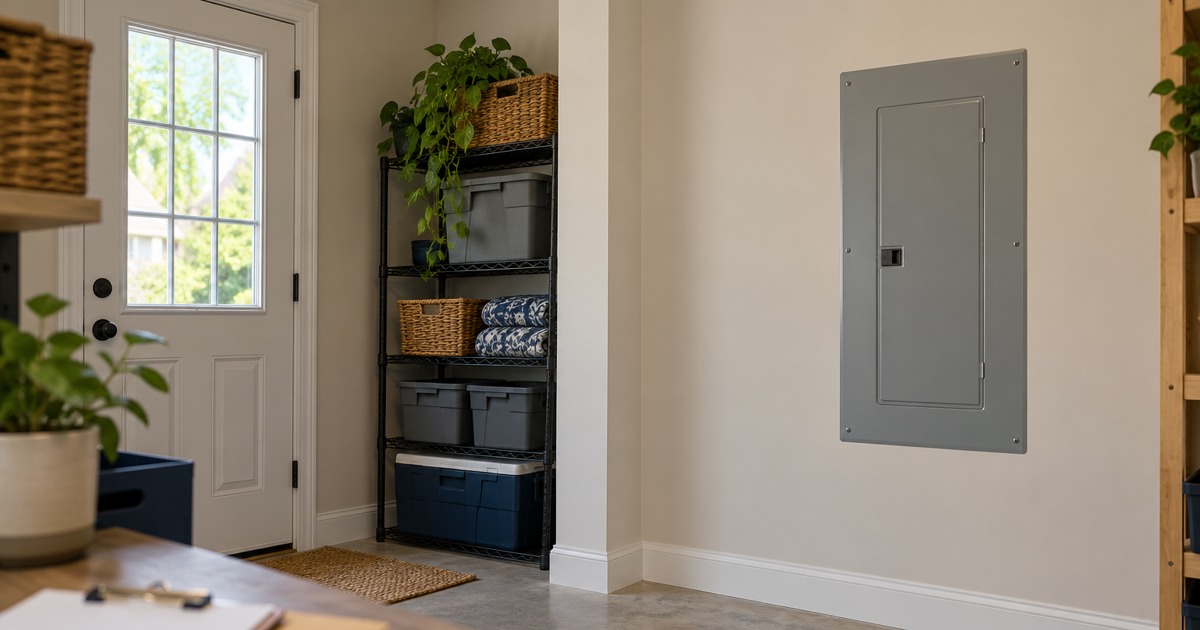
Ask for an assessment of accessible service equipment and the panel, including signs of damage or overheating, circuit identification and whether breaker or fuse ratings suit the circuits they protect. Tell the electrician about repeated trips. Increasing a breaker or fuse rating to stop a trip can leave wiring inadequately protected.
For planned equipment, ask whether a separate load evaluation is needed and whether it is included in the visit. Get the proposed circuit or service work explained before accepting a panel replacement recommendation.
Accessible wiring, outlets and switches
Ask how the electrician will examine accessible wiring and connections, grounding, outlet condition and signs of past alterations. Point out loose plugs, damaged covers, exposed wiring or a receptacle that has stopped working. Ask which locations will be tested and what could not be inspected.
Grounding deserves a specific question in an older home: what was verified, and what needs further evaluation? A three-slot faceplate alone should not be your evidence that the circuit behind it has been checked.
Shock and arc-fault protection
Ask the electrician to identify and test installed ground-fault circuit interrupters (GFCIs) and arc-fault circuit interrupters (AFCIs), following the device instructions. The CPSC checklist explains that GFCIs reduce shock risk and AFCIs detect arcing that can cause overheating and fire. They address different hazards.
Discuss protection near water and outdoors, along with weather protection for exterior outlets. Have the electrician distinguish a defective device, a recommended safety improvement and work required for a proposed alteration. That gives you a clearer repair plan than a single general statement that the house is "up to code."
Get help today
(704) 275-1017
Separate the safety assessment from permit inspections
In Mecklenburg County, electrical alterations and repairs can involve permits and inspections. The county lists limited exceptions with conditions, including who performs the work. Ask the contractor to confirm the permit path for the actual proposed repair using the county's electrical information for homeowners.
Two visits with different jobs
Existing-home safety assessment
Start with: the condition of the home and the concerns you report.
Ask for: the areas examined, test results, limitations and prioritized findings.
County permit inspection
Start with: a permitted project and its required construction inspections.
Keep: the permit and inspection records for that work. Ask separately about the rest of the home's system.
Mecklenburg's residential inspection schedule describes construction checks and says they do not certify system operation. Scope a separate assessment for your existing-home concerns. Sources:
Mecklenburg County
and
CPSC
. Checked October 24, 2026.
Use the office responsible for the property address. The Mecklenburg guidance here applies to Mecklenburg County, North Carolina. For a home in another county or across the South Carolina line, confirm the requirements with that jurisdiction before repair work begins.
When should an older home's system be inspected?
Electrical Safety Foundation International recommends an inspection particularly for homes at least 40 years old, homes at least 10 years old after a major renovation, addition or major new appliance, and a previously owned home with a new owner. Use those situations to start a conversation about the home's actual history.
Do not wait for a calendar interval when warning signs appear. ESFI lists frequent trips, flickering lights, buzzing, overheating, sparks and electrical shocks among reasons to call a licensed electrician. Report when the symptom happens and what was running. Leave a suspect outlet or appliance unused until it has been evaluated.
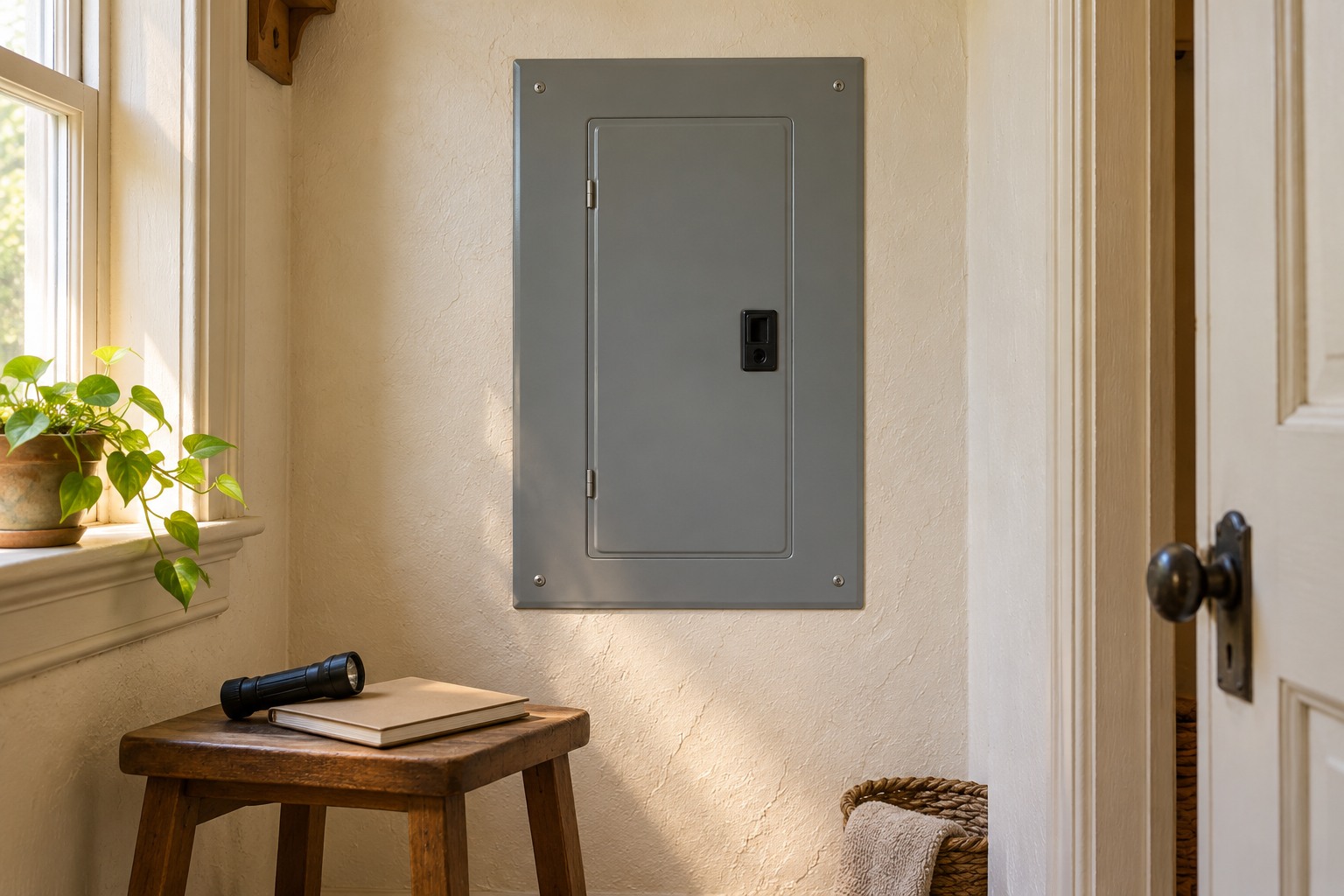
Keep the panel cover in place. CPSC specifically assigns removal of the service-panel cover to a qualified electrician. You can gather records and describe symptoms without opening equipment or trying to reproduce a shock or spark.
Leave with findings you can act on
Request a written record identifying each concern and its location, what was examined or tested, and any inaccessible areas or follow-up needed. Ask which findings require prompt action, what should remain unused, and which recommendations concern future equipment or optional improvements.
For repair proposals, ask for the reason, the work included and any permit or follow-up inspection. Keep that record with your equipment and renovation documents so the next electrician can see what was actually checked.
Electrical inspection questions
Does every home need an inspection every five years?
Use the home's history, condition, changes and symptoms to discuss timing with an electrician. CPSC's wiring guide gives no single fixed inspection interval. ESFI identifies older homes, major changes and a change of owner as particular reasons to arrange an inspection.
Does a permit inspection cover my whole electrical system?
Ask what work and permit the inspection covers. Mecklenburg's published schedule describes checks during construction and says they do not certify proper system operation. Discuss existing wiring and symptoms separately with the electrician.
Should I remove the panel cover before the electrician arrives?
Leave it in place. CPSC says service-panel cover removal is a job for a qualified electrician. Gather earlier reports, renovation details and a description of any symptoms instead.
Does an inspection automatically mean replacing the panel?
Ask the electrician to explain the actual findings and any load evaluation behind a recommendation. Request a written repair scope so you can distinguish an identified defect from changes proposed for new equipment.
Discuss electrical inspection service with Parks
Explore Parks electrical inspection services or request service. Bring your questions and any earlier reports, and confirm the visit's scope before scheduling. You can also call (704) 275-1017 275-1017).
Sources
Public guidance checked October 24, 2026.
- CPSC: home wiring hazards, professional assessment, circuit protection and panel-cover safety.
- CPSC: home electrical safety checklist, outlets, GFCIs, AFCIs and outdoor protection.
- ESFI: home wiring safety tips, inspection triggers and warning signs.
- Mecklenburg County: electrical information for homeowners, permits and conditional exceptions.
- Mecklenburg County: residential inspection schedule, construction inspection scope.
Homeowner education from Parks Heating Cooling Plumbing & Electrical
The Parks HVAC Editorial Team prepares homeowner guides from the current public sources linked in each article.