In short
A cracked furnace heat exchanger can let combustion gases into your home. Short cycling, unusual furnace sounds, soot, or a carbon monoxide alarm can signal a problem, but those signs alone cannot confirm a crack. Have a licensed HVAC company evaluate the furnace. If a crack is confirmed, replacing the heat exchanger or the furnace is recommended rather than trying to repair the cracked component.
Why a crack matters
A gas furnace heat exchanger transfers heat while keeping combustion byproducts separate from the air heated for your home. Those byproducts include carbon monoxide, and a crack can allow combustion gases to enter the home. The heat exchanger expands and contracts as it heats and cools. Its combustion byproducts can also include carbon dioxide, nitrogen oxides, and water vapor. High-efficiency furnaces have both primary and secondary heat exchangers. The Town of Indian Trail lists Piedmont Natural Gas as the town's natural gas provider. For a gas line break or another gas emergency, get to a safe place and call 911.
Signs to watch for
Possible signs include a furnace that turns on and off quickly, banging or rattling sounds, a strong metallic odor, and yellow or flickering flames. Soot around the furnace or flue pipe, rust or corrosion on the heat exchanger, a visible crack, and a carbon monoxide detector that keeps tripping are also warning signs. These signs can occur with other furnace problems, so they call for a professional evaluation rather than a conclusion that the heat exchanger is cracked.
What a professional inspection covers
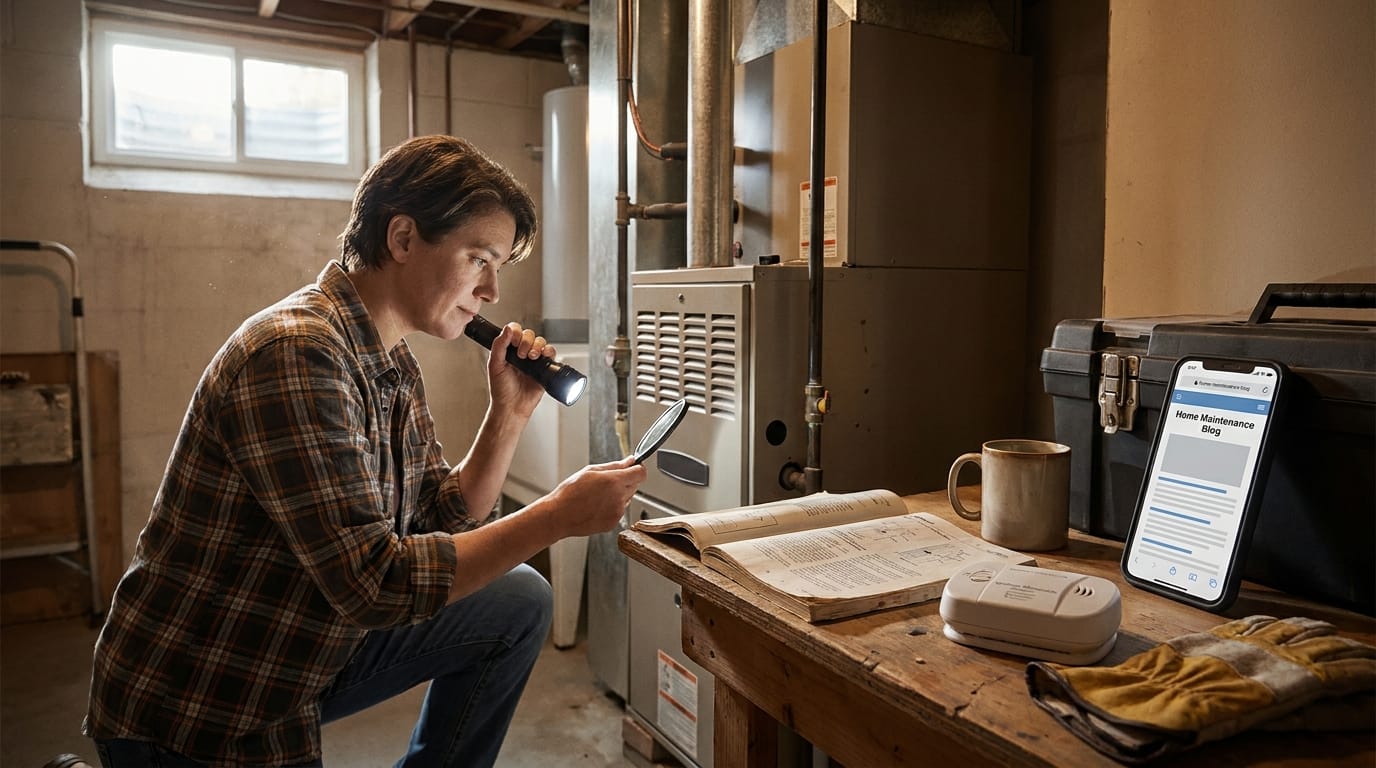
A professional furnace inspection typically examines the heat exchanger, burners, ignition system, blower, electrical components, and venting. It can also include checks of furnace operation, airflow, temperature performance, safety controls, and combustion where applicable. An inspection can look for conditions that could contribute to carbon monoxide exposure, inefficient operation, or unexpected breakdowns. Annual professional inspection and maintenance of a heating system are recommended, ideally before the heating season begins. If a carbon monoxide alarm sounds, leave the home immediately and contact emergency services. A qualified HVAC professional should inspect the furnace before it is operated again.
What to discuss if a crack is confirmed
Trying to repair a cracked heat exchanger is not recommended; replacing the heat exchanger or the entire furnace are the options to discuss. Ask to see the cracked component before deciding. Piedmont Natural Gas offers rebates for qualifying new replacement equipment to eligible North Carolina customers. Its application requires, among other conditions, a qualifying efficiency rating and purchase and installation by a licensed contractor; Piedmont makes the final eligibility decision. Existing gas-serviced equipment must be replaced with new gas-serviced equipment at the address tied to the gas account. The program does not cover new construction. Applications must be postmarked within 90 days of equipment installation.
How we can help
We offer heating repair and HVAC system replacement. We also provide heating tune-ups, installation and maintenance for heating and cooling systems. If you suspect a furnace problem, contact us to ask about an evaluation. In one separate furnace job, a customer noticed a small air leak. We sent a technician who found and repaired the leak, then took pictures to show the customer. That example was an air leak, not a diagnosed heat exchanger crack.
What customers are saying
"Richard came and serviced my heat pump. He is an expert on HVAC. He documented with pictures the issues and discussed solutions for them."
Rajni Patel, Google review
Frequently asked questions
Can I keep using a furnace if I suspect a cracked heat exchanger?
A crack can let combustion gases into the home, and warning signs can overlap with other furnace problems. Arrange a professional evaluation rather than relying on the signs alone. If a carbon monoxide alarm has sounded, a qualified HVAC professional should inspect the furnace before it is operated again.
What does heat exchanger replacement cost?
Heat exchanger replacement can be an expensive furnace repair, but a general estimate does not establish the cost for your furnace. Repairing a cracked heat exchanger is not recommended; ask about replacing the component or the furnace.
What should I do if a carbon monoxide alarm sounds near the furnace?
Leave the home immediately and contact emergency services. Have a qualified HVAC professional inspect the furnace before it is used again.
Sources
- Cracked Heat Exchanger: What It Means - Trane®. Trane, 2025.
- Utilities | Indian Trail, NC. Town of Indian Trail.
- Furnace Inspection Guide: Importance, Checklist & Tips. Carrier, 2026.
- Furnace Repair Service | Signs, Costs & Troubleshooting | Carrier. Carrier, 2026.
- RESIDENTIAL Rebate. Piedmont Natural Gas.